Exploring the Profound History of Cornrows

My mother, with her mixed English and Ghanaian heritage, was raised in West Africa where she mastered the art of cornrow braiding as a young girl. From the moment my hair grew long enough, she began styling it into cornrows, and even now, she kindly offers to do so. On occasion, I gladly accept, rel
My mother, with her mixed English and Ghanaian heritage, was raised in West Africa where she mastered the art of cornrow braiding as a young girl. From the moment my hair grew long enough, she began styling it into cornrows, and even now, she kindly offers to do so. On occasion, I gladly accept, relishing the nostalgic sensation of being a child once more. At other times, a sense of independence prevails, prompting me to assert my adulthood. I often remind myself that it's high time I learned to
braid my own hair. Cornrows hold profound personal significance for my mother, tied inextricably to her upbringing, and by extension, they resonate deeply within me as well. This is the enchanting essence of African hair braiding traditions—they are meticulously handed down through generations, embodying one's identity and serving as a tangible fragment of living history.
The Roots of Resistance
Hair braiding carries immense personal weight within Black culture, with specific styles such as cornrows bearing the weight of centuries-long narratives. Keen to delve deeper into this hairstyle so integral to my early years, I consulted Lori L. Tharps, a distinguished journalist, educator, speaker, and co-author of the seminal book Hair Story: Untangling the Roots of Black Hair in America. Our conversation illuminated the intricate and multifaceted history of cornrows, spanning from eras of enslavement and defiance to battles waged in educational institutions and legal arenas.
The name 'cornrow' emerged within the diaspora, mirroring the enslaved people's harsh realities—similarly termed 'cane row' in Caribbean regions. Beyond their aesthetic appeal, cornrows provide practicality and a strong sense of identity. Tharps explains that prior to colonial disruptions, enslavement, or forced migrations, African communities crafted extraordinarily complex hairstyles that demanded days of labor, specialized implements, and unique products. However, upon arrival in the Americas and Caribbean as enslaved individuals, such luxuries were unavailable due to time constraints and scarce resources. Cornrows, in contrast, could be executed swiftly with minimal effort. Defined by braids that closely adhere to the scalp, this style requires no additional tools or substances and endures for more than a week.
Although cornrows can be straightforward in their execution, they also lend themselves to intricate designs. Tharps notes indications that these braids facilitated covert communication among Black individuals and even encoded maps for escapes. In traditional African contexts, diverse hairstyles conveyed specific meanings and signals. There exists documented evidence that enslaved people in Brazil incorporated cornrows into escape strategies by weaving maps into the patterns. Cornrows further symbolized resistance during enslavement. Enslaved Africans ingeniously braided seeds into their hair, enabling them to cultivate personal gardens and sustain themselves—a poignant emblem of hope and self-sufficiency.
In contemporary times, cornrows serve as a popular protective hairstyle, allowing Black individuals to shield their delicate kinky or coily hair from the rigors of frequent combing, manipulation, styling, and resultant damage.
Navigating Cultural Appropriation
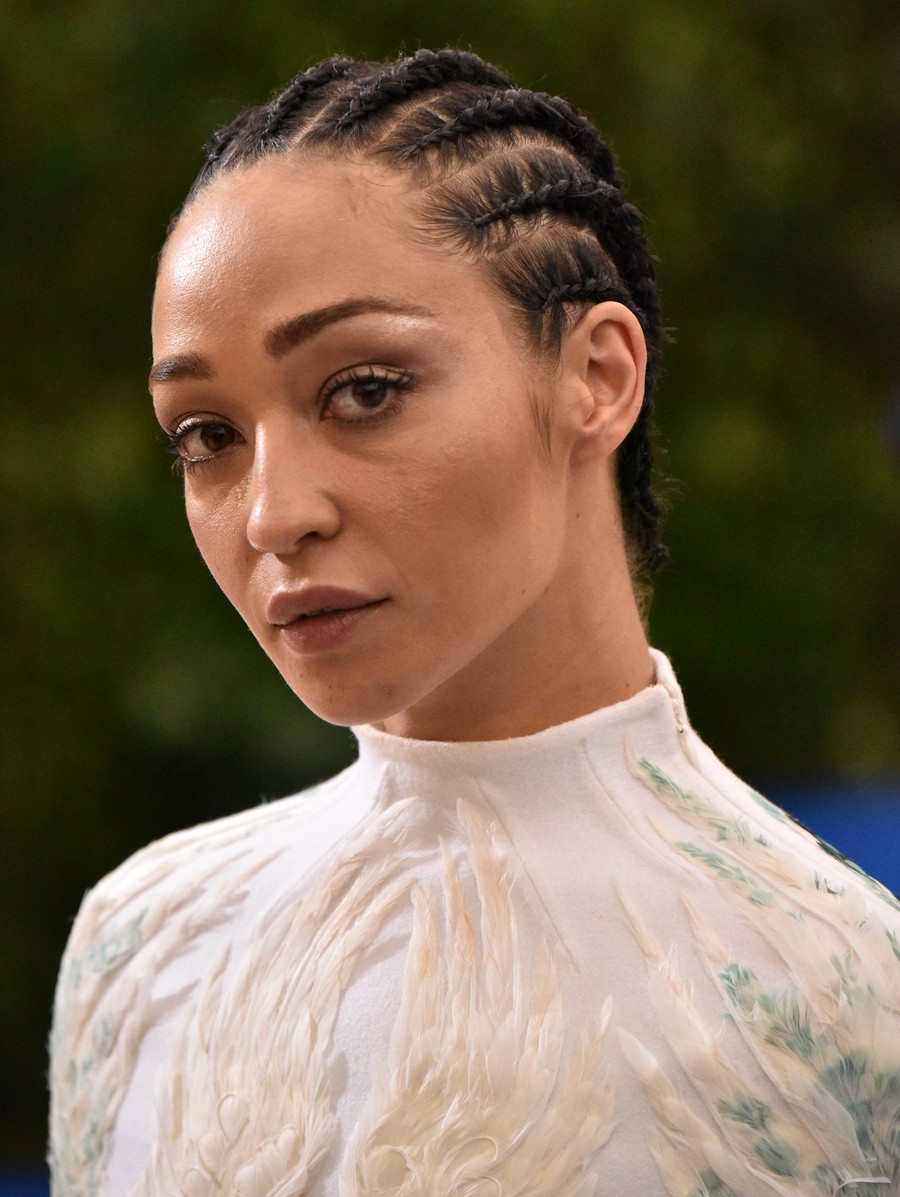
During the period of slavery, Black individuals wearing cornrows typically concealed them beneath headscarves, as the style was not deemed suitable for public display. This perception—that cornrows were somehow improper or unsuitable—persisted into the present day. Black people faced criticism labeling the style as unappealing and unprofessional, especially in professional environments, whereas white adopters received acclaim. Tharps recounts how Bo Derek sported cornrows in the 1970s as a deliberate publicity maneuver orchestrated by her husband, who doubled as her manager. At that stage, her career was nascent, and the bold choice of cornrows generated significant buzz, earning them the moniker 'Bo Braids.'
Nevertheless, Black media outlets and prominent figures actively worked to reclaim and validate the style. In 1972, Essence magazine, long revered as a sanctuary for Black women fostering a sense of belonging and visibility, showcased cornrows on its cover. The following year, Cicely Tyson graced the cover of Jet magazine in cornrows. Decades later, in 2018, Beyoncé made history by requesting cornrows for Vogue's cover—the first of its kind for the publication—while Teen Vogue highlighted Serena Williams embracing the look. Black celebrities increasingly donned cornrows at high-profile red carpet events, though often without the unequivocal praise bestowed upon white counterparts. Cicely Tyson proudly wore cornrows through the 1960s and 1970s, and Alicia Keys has consistently championed the style, from the 2003 Met Gala to the 2020 Grammys and continuing thereafter. These instances underscore that cornrows merit open celebration—they are not styles to be shrouded in private, but rather ones destined for prominence across all public platforms.
Yet, as is common with creations originating from Black and Brown communities, cornrows faced appropriation, with the adopters receiving widespread applause. The style was rebranded as a mere 'trend' when Kim Kardashian, frequently noted for her affinity toward Black cultural elements, began wearing them. Tharps observes that credit shifted toward her rather than acknowledging the deep African roots. In our diverse, multicultural society, cultural exchanges occur through sharing and borrowing. However, Black women have been dismissed from workplaces explicitly for sporting cornrows.
Appropriation crosses into problematic territory due to insufficient awareness and the perception of casually 'trying on' another's culture for amusement. One wonders if non-Black individuals would embrace these styles had they fully grasped their cultural depth, tracing back through centuries including the atrocities of slavery.
Legal Battles for Acceptance
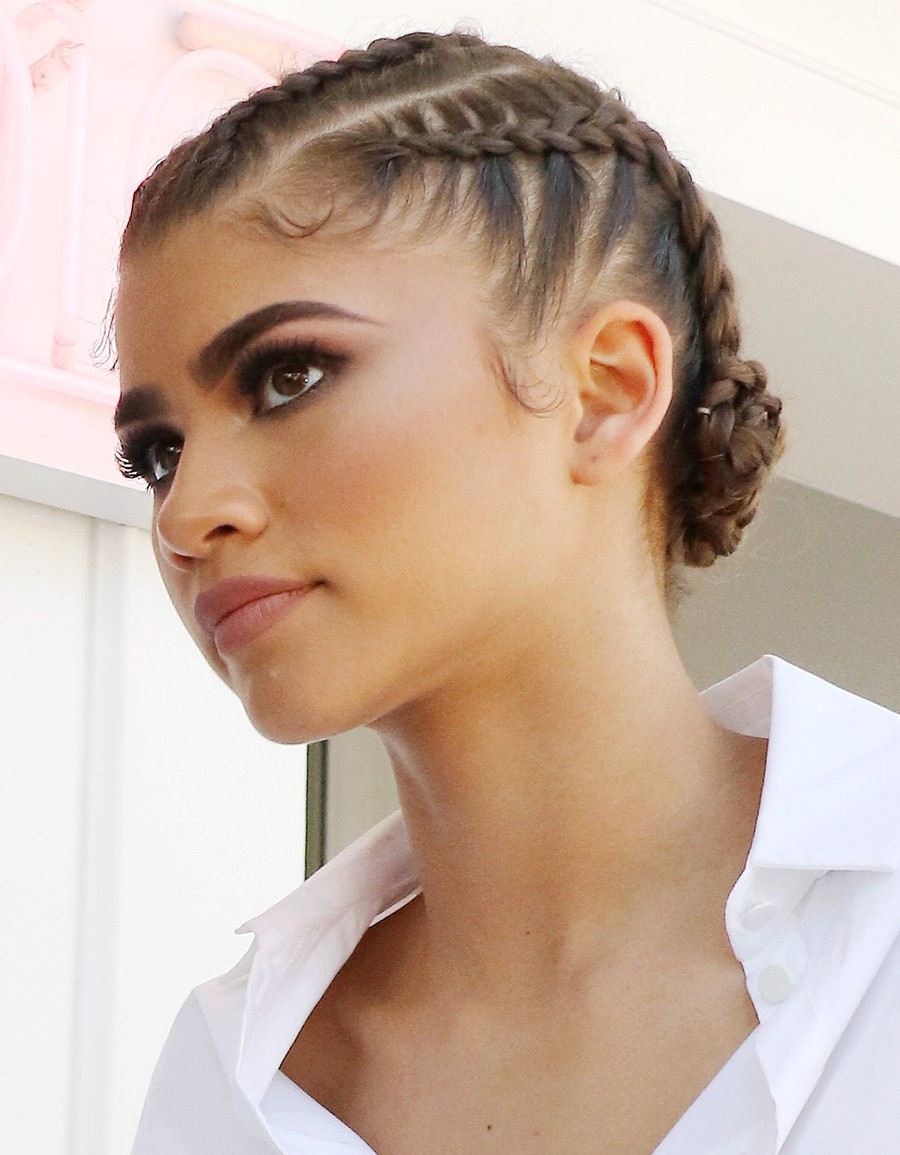
As recently as 2018, numerous men, women, and children were expelled from workplaces and schools for donning cornrows or other natural and protective hairstyles, deemed 'distracting' or 'unprofessional.' Such incidents persist today, albeit less frequently thanks to protective legislation. The CROWN Act—short for Creating a Respectful and Open World for Natural Hair—was introduced in 2019 and enacted in 2022. This law bans discrimination predicated on hair texture or protective styles including locs, twists, braids, and naturally cornrows. Tharps emphasizes the goal: to reach a point where Black individuals can wear these hairstyles without demonization, legal barriers, or hindrances to employment and livelihood. This disparity highlights the inherent unfairness, particularly since Black communities originated these styles.
Looking Ahead to Broader Acceptance
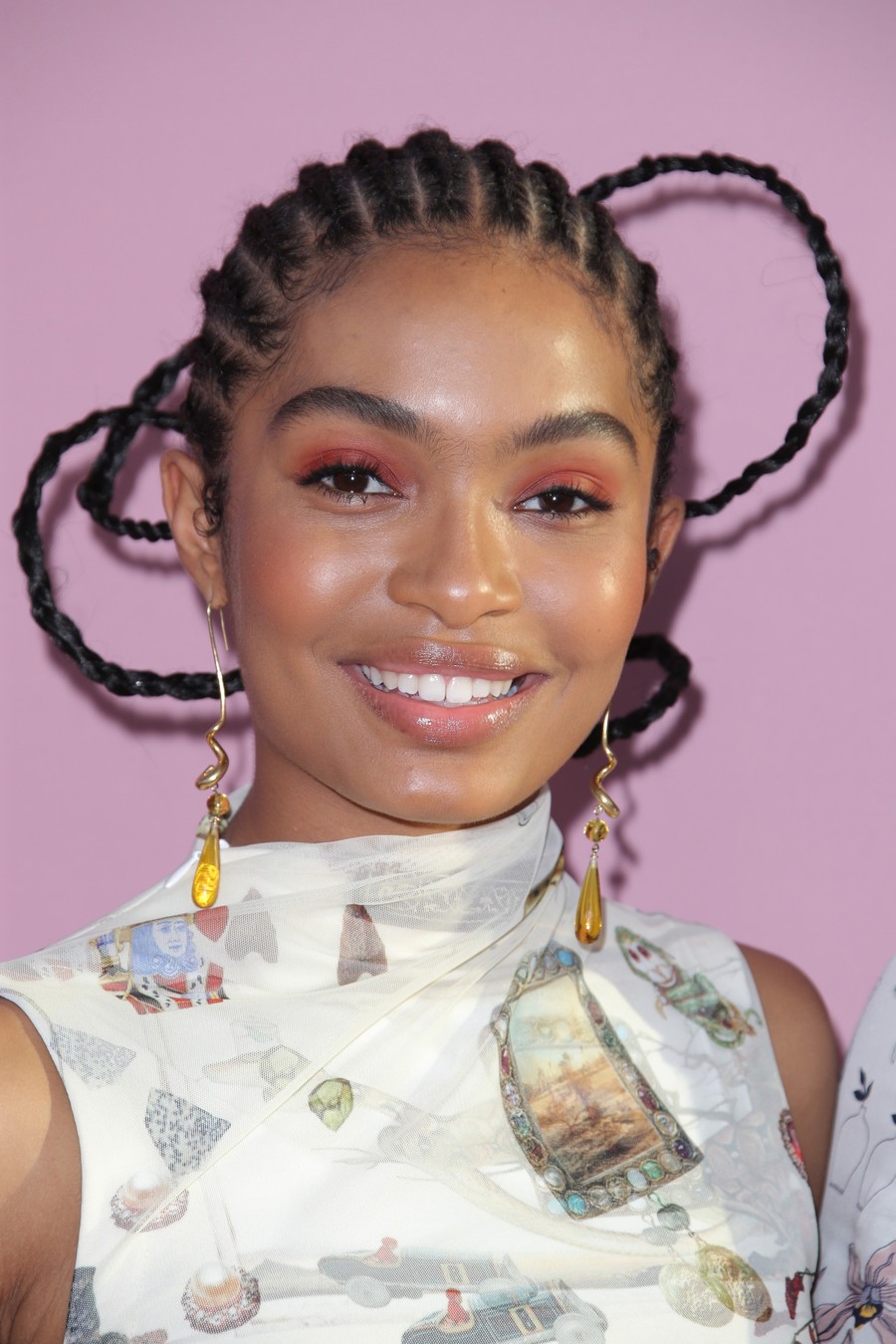
Although the CROWN Act is now law in 27 states plus Washington, D.C., 23 states have yet to adopt it. Shifting entrenched attitudes toward Black hairstyles proves challenging. Continued visibility through influential celebrities and public figures like Zendaya and Yara Shahidi, who proudly display their cornrows, may pave the way for normalization. Even so, donning cornrows is frequently viewed as a daring statement or radical assertion. Until this perception evolves, substantial progress remains essential. Tharps aptly notes that transformation unfolds incrementally, never abruptly, but steadily over time.
Subscribe to the newsletter
Join 50,000+ others who get our content first. No spam, ever.
About Us
Insights and articles on topics that matter to you.
Topics
- K-Beauty Trends6
- Skin Concerns17
- Product Reviews21
- Anti-Aging & Glow22
- Essentials & Routines31
- Ingredients Lab17
Subscribe to the newsletter
Join 50,000+ others who get our content first. No spam, ever.